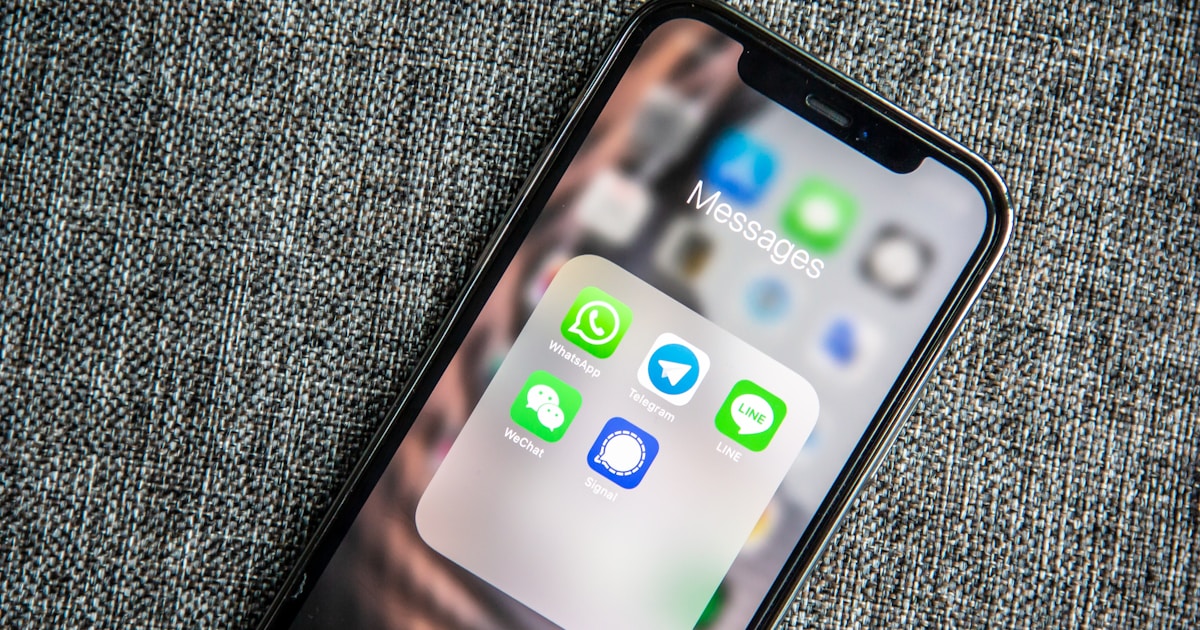
WhatsApp: the invisible receptionist
It starts innocently: a customer sends a message, you reply with a time, and the appointment is set. But as your business grows, WhatsApp becomes a problem.
Why entrepreneurs use WhatsApp
- Everyone has it — no barrier for customers
- Direct contact — fast and personal
- Free — no extra costs
- Familiar — nothing to learn
The hidden risks
1. No overview
After 20 conversations, you no longer know who's coming when. Messages disappear in the chat stream. Double bookings are lurking.
2. No automatic reminders
WhatsApp doesn't send a reminder 24 hours in advance. Result: more no-shows.
3. Always "on"
Customers expect immediate responses — even at 10 PM, on weekends, and during holidays. Your work-life balance suffers.
4. No payments
You can't request a deposit via WhatsApp. Everything has to be arranged separately.
5. GDPR issues
WhatsApp shares metadata with Meta (Facebook). For businesses working with sensitive customer data (healthcare, coaching), this is a GDPR risk.
6. Not scalable
With 5 clients per week, WhatsApp works fine. With 50? Chaos.
WhatsApp + booking system: best of both worlds
You don't have to give up WhatsApp entirely. Use it as a communication channel, but not as a planning tool:
- 1. Share your booking link via WhatsApp
- 2. Customer books themselves via the system
- 3. Confirmation goes automatically by email
- 4. You use WhatsApp only for questions and personal contact
Comparison
Conclusion
WhatsApp is great for communication, but not for scheduling. Combine it with a booking system and you have the best of both worlds.